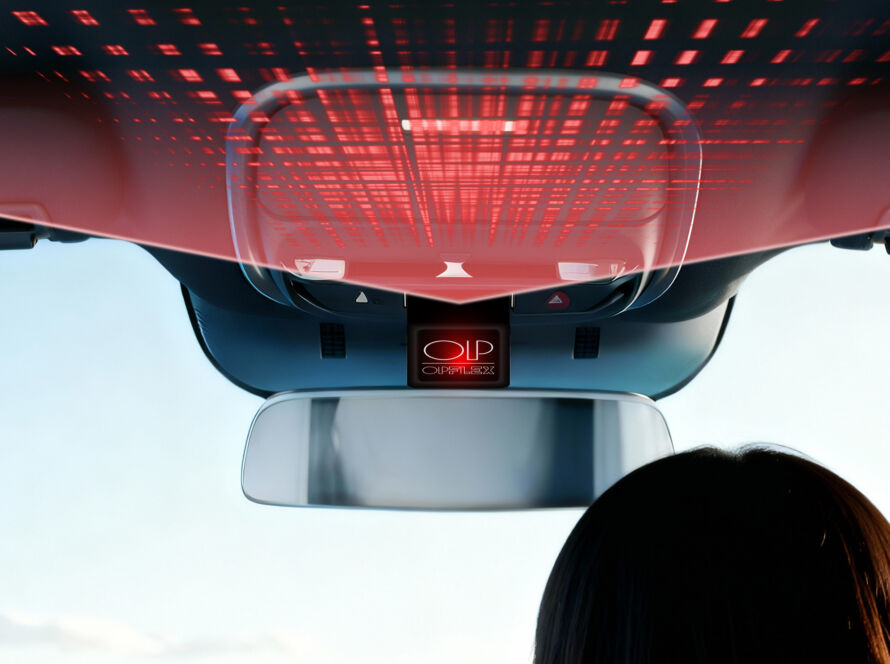

Panoramic glass roofs have become a popular feature in modern cars, especially EVs, because they make the cabin feel more open and connected to the outside. However, behind this aesthetic appeal lies a crucial technology: Low-E (Low Emissivity) coating.
What is Low-E?
Low-E coating is a thin layer applied to the inside surface of the glass. It reflects heat radiation while still allowing visible light to pass through. Although it can block some heat from UV and IR rays (around 70-90%), it cannot block heat from visible light or thermal radiation passing through the glass itself. This means the car can still get hot on a sunny day.
The Reality of Low-E Coating
Varying Quality: Low-E coatings come in different types, such as Hard Coat, which is more durable, and Soft Coat, which is more effective but also more fragile.
Signal Interference: The metallic coating can interfere with GPS, radio, and phone signals.
Low Durability: Low-E coating is a thin surface layer that scratches very easily. Even wiping with a towel can cause fine scratches, and using a vacuum-suction sunshade can leave permanent marks. It’s difficult to keep the glass looking new for long.
Irreparable Damage: Currently, there is no technology available to repair localized damage to the Low-E coating.
Sunshades Are Still Necessary: In Thailand’s hot climate, Low-E coating alone is not enough to block heat and glare, so a sunshade is still essential.
Risk of Film Application: Applying standard window film using wet adhesives can damage the Low-E coating. When the film reaches the end of its lifespan and is peeled off, the adhesive can pull off the coating as well. This will void the manufacturer’s warranty.
The Best Solution for Low-E Coated Glass
OPFLEX is a film specifically designed to protect Low-E coated glass roofs without causing damage. It uses a dry installation method with a high-quality silicone layer, ensuring no chemicals harm the original coating, regardless of how long the film is applied.

Key Features of OPFLEX Film
Protects the Glass Surface: Helps maintain the condition and appearance of the glass surface, keeping it looking new.
Enhances Heat Protection: Works with the existing Low-E coating to provide the highest level of protection against UV, IR, and visible light heat compared to other films on the market.
High Performance: The film can block up to 98.78% of visible light (VLR) in opaque mode and has a Total Solar Energy Rejected (TSER) value of 74.28%.
Easy to Remove: It can be removed without leaving any adhesive residue or pulling the original coating off the film.
Adds Strength: At 12 Mil (milli-inches) thick, it adds strength to the glass, making it almost as strong as security film and providing an extra layer of safety in the event something falls on the roof.
Ideal for EVs: It helps reduce the workload on the air conditioning system, which may increase the driving range of electric vehicles.
Smart Features: It includes a light sensor on the front glass for automatic operation and a touch-sensitive button to easily switch between transparent and opaque modes.